
Topic guide
Stress, Cortisol & Nervous System Regulation
Chronic stress is less about how stressed you feel and more about how long your body takes to come back down. This guide connects cortisol, the stress response and nervous system regulation, and is honest about which popular ideas are well supported and which are not.
By Tom Brecker, BSc Sports Science · Educational information, not medical advice
What Is Chronic Stress?
Chronic stress is a stress response that stays switched on for weeks or months, instead of rising and settling again after a challenge.
Short-term stress is useful. It sharpens attention and mobilises energy. The problem starts when the body does not stand down between demands. Many people describe this as feeling tired but wired: exhausted, but unable to rest even when they finally stop.
Cortisol and the Stress Response
Cortisol is one of the main stress hormones. It follows a daily rhythm, normally highest in the morning, and rises in response to challenges.
Cortisol is not the enemy. It helps you wake up, mobilise energy and respond to demands. Under prolonged stress, its daily rhythm can become less regular. Popular claims about “cortisol belly” or quick ways to “lower cortisol” tend to go well beyond what the research shows.
Nervous System Regulation
Nervous system regulation describes the body’s ability to move between activation and rest, and to come back down after stress.
One useful way to think about it is recovery time: how long it takes you to settle after a small disturbance. Measuring that is often more informative than rating how stressed you feel. Much of the popular language, such as resetting your vagus nerve, is metaphor rather than established finding, although some simple practices have reasonable support.
Signs of Stress Overload
Common signs include difficulty winding down, disturbed sleep, persistent muscle tension and taking longer than usual to recover after small stresses.
These can have many causes. If they are persistent or severe, speak to a physician.
- Falling asleep late or waking in the early hours
- A tight jaw, neck or shoulders
- Feeling wired in the evening and flat in the morning
- Small things taking a long time to shake off
Practical Nervous System Regulation Exercises
The best supported simple practice is slowing your breathing with a longer exhale than inhale. Releasing physical tension and gentle movement are also commonly used.
Breathing out for longer than you breathe in tilts heart rate towards settling; this is ordinary cardiovascular physiology. Deliberately tensing and then dropping the shoulders, pressing the feet into the floor and a short shake-out are low-cost practices to try and keep if they help.
Stress, Sleep and Recovery
Stress and sleep influence each other in both directions: stress can disrupt sleep, and poor sleep can make stress harder to recover from.
A middle stage between a busy day and bedtime, such as a slow walk or a few minutes of long-exhale breathing, can make it easier for the body to settle than going straight from high activity to trying to sleep.
Frequently Asked Questions
What is the difference between stress and chronic stress?
Stress is a normal short-term response that rises and settles. Chronic stress is when the response stays elevated over weeks or months without enough recovery.
Can you lower cortisol quickly?
There is no reliable quick fix. Regular sleep, movement, slow breathing and recovery between demands support a healthier daily rhythm over time.
Can you reset your vagus nerve?
Not in the way it is often marketed. Slow breathing with a longer exhale does influence heart rate in a well understood way, but “reset” is a metaphor rather than an established finding.
When should I get help for stress?
If stress affects your sleep, mood, work or relationships for an extended period, or you feel unable to cope, speak to a physician or mental health professional.
Recommended Resources
Articles
- Tired but wired: why you cannot rest even when you finally stop6 min read
- How long does it take you to calm down? The number that matters more than how stressed you feel6 min read
- Your nervous system reset is not working because you are doing the wrong one7 min read
Guided exercises
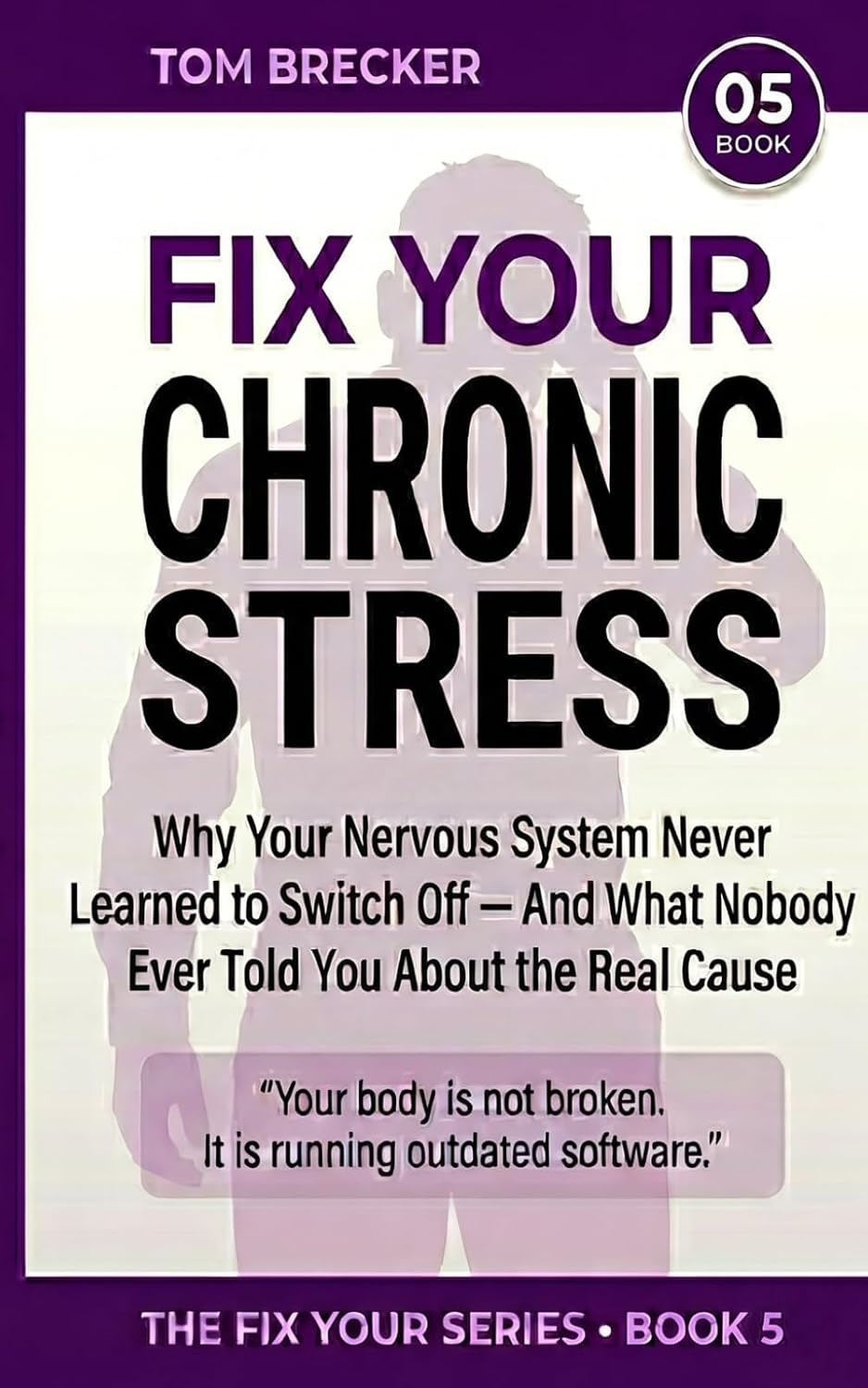
The book
Fix Your Chronic Stress
Why your body stayed on duty, and how a set point actually moves.
Fix Your Chronic Stress on AmazonFree · 9 guided videos · 7-day plan
Want a simple daily reset?
Get the free 7-Day Body Reset. Short guided practices for breathing, neck and shoulders, with the plan for each day already made.